
What's Expressionism?
What does it express?

Today, we’re going to discover what expression Expressionism have!
We’ll learn important things about the world of Expressionism like where did the name come from? Along with:
What is Expressionism?
What are the key goals of the Expressionists?
Expressionism Characteristiscs?
Famous artists from this time and Era.
What is Expressionism?
Expressionism is an artistic style in which the artist seeks to depict not objective reality but rather the subjective emotions and responses that objects and events arouse within a person.
Starting in Germany, Expressionism meant that you painted emotion rather than real life. Expressionist artists often painted emotions like fear, anger, and sadness. As every painter feels different emotions, this means Expressionist paintings can all look very different.
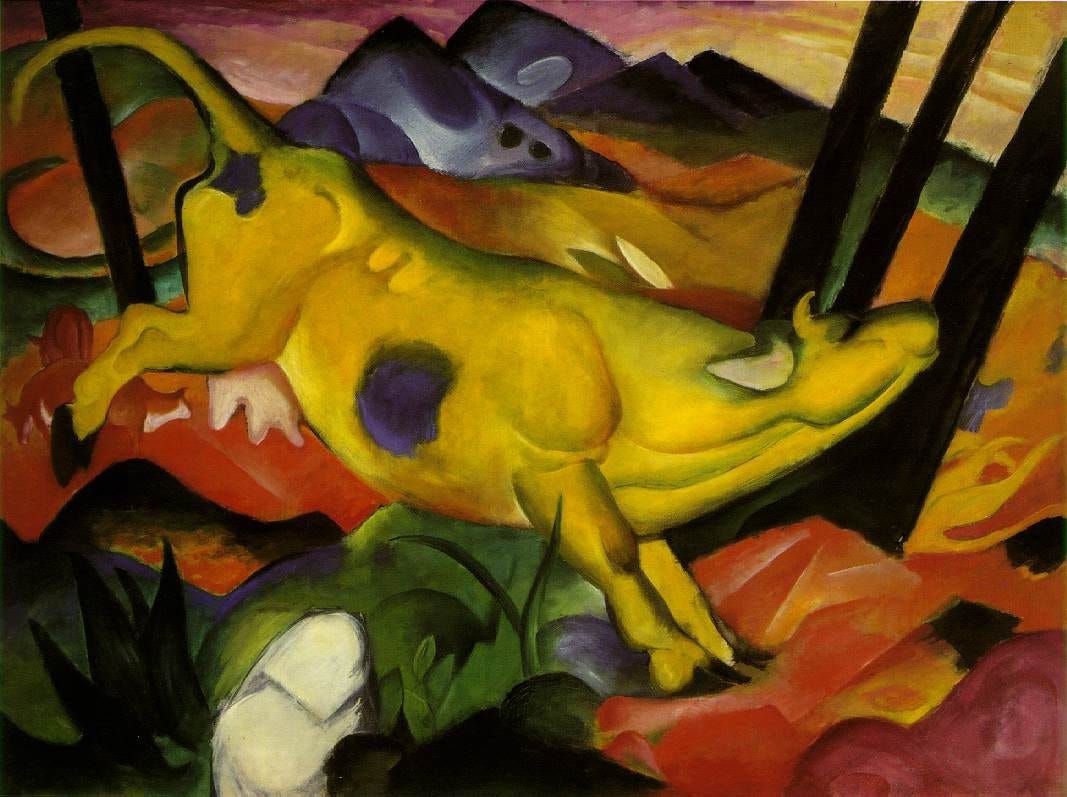
Did you know the reason why it was called Expressionism is because
An alternative view is that the term was coined by the Czech art historian Antonin Matějček in 1910 as the opposite of Impressionism: "An Expressionist wishes, above all, to express himself... (an Expressionist rejects) immediate perception and builds on more complex psychic structures...
What are the Key goals of the Expressionists?
Expressionist artists often used swirling, swaying, and exaggeratedly executed brushstrokes to depict their subjects. These techniques were meant to convey the artist's turgid emotional state reacting to the modern world's anxieties.
A unique thing about Expressionist art is that it often concerns itself with the inner necessity (or creative vision) of the artist, as well as themes of spirituality. While 'expressionist' can be used to describe artworks from any era, the term originates from modern artists working in Germany in the early 20th century.
Cool Characteristics of Expressionism.
Typical characteristics of Expressionism are:
People, places, and objects are exaggerated with Extreme angles.
Flattened forms and Primitivism (Means a belief in the value of what is simple and unsophisticated)
Garish colors (Means too bright or showy colors)
Distorted and fantasy views
Expressionism is distinctive for its strong use of color, distorted figures and natural forms, and intense emotion to explore themes of yearning, anxiety, and alienation. These same elements can be seen in the works of earlier artists, including Matthias Gruenwald, Donatello, Goya, and Van Gogh.
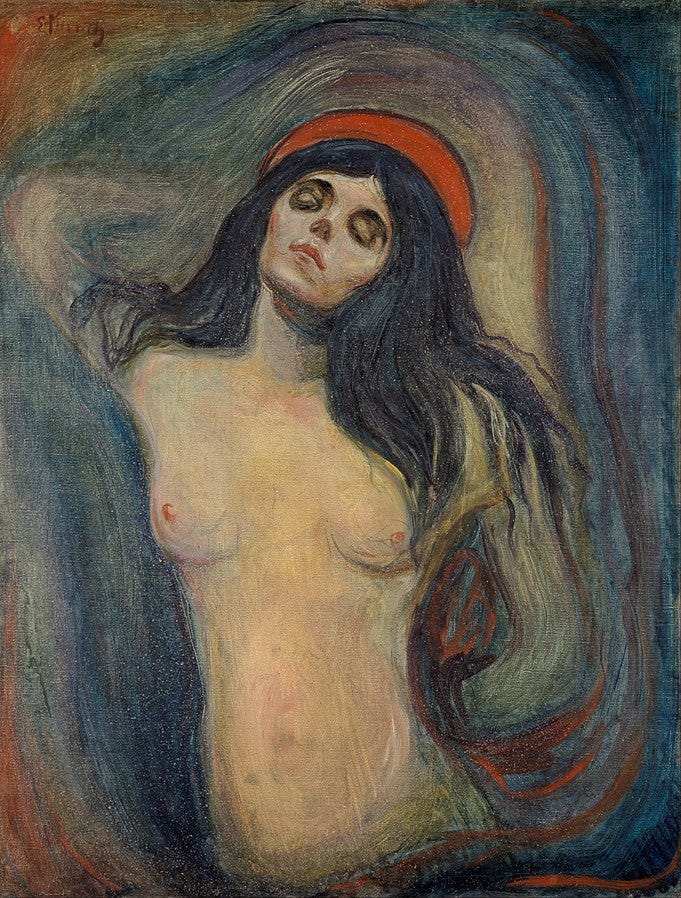
Famous Artists of the Expressionism period
Now let’s take a look at some of the most well-known artists in the Expressionism period!
Edvard Munch (1863-1944) Eighty-one-year-old Edvard Munch (pronounced Moohnk) was the founder of the Expressionist school of painting. He was also a legendary eccentric.
Edvard Munch was a prolific yet perpetually troubled artist preoccupied with matters of human mortality such as chronic illness, sexual liberation, and religious aspiration. He expressed these obsessions through works of intense color, semi-abstraction, and mysterious subject matter.
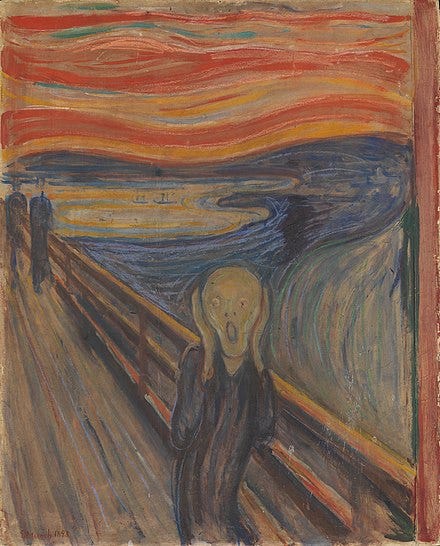
Wassily Kandinsky (1866-1944) Kandinsky believed that art should express the inner character of things, not their surface appearance. His work seeks to reveal this essence through shape, line, and color.
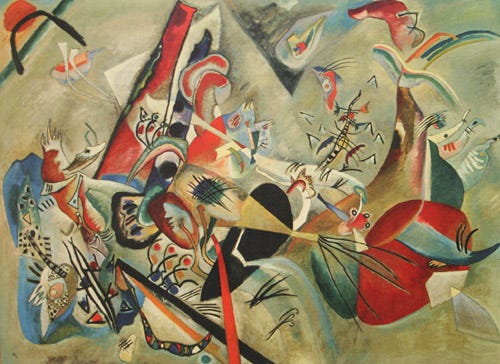
Franz Marc (1880-1916) Franz Marc was a German painter and printmaker who is known for the intense mysticism of his paintings of animals. Marc incorporated his love of theology and animals into his work to create an alternate, more spiritual, vision of the world. He depicted the world as seen through the eyes of animals, which he used to highlight those aspects of modernity that he viewed unfavorably.
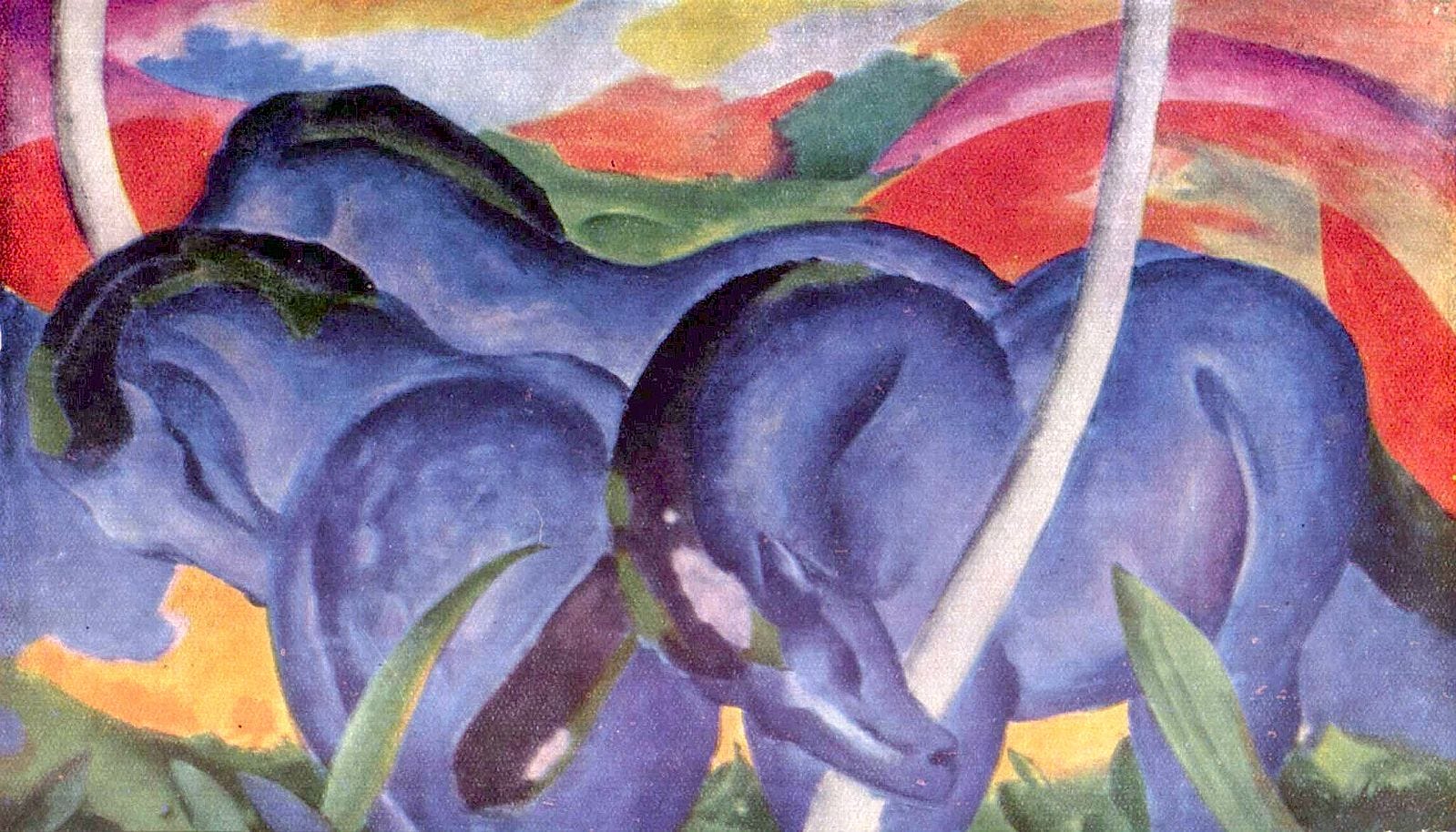
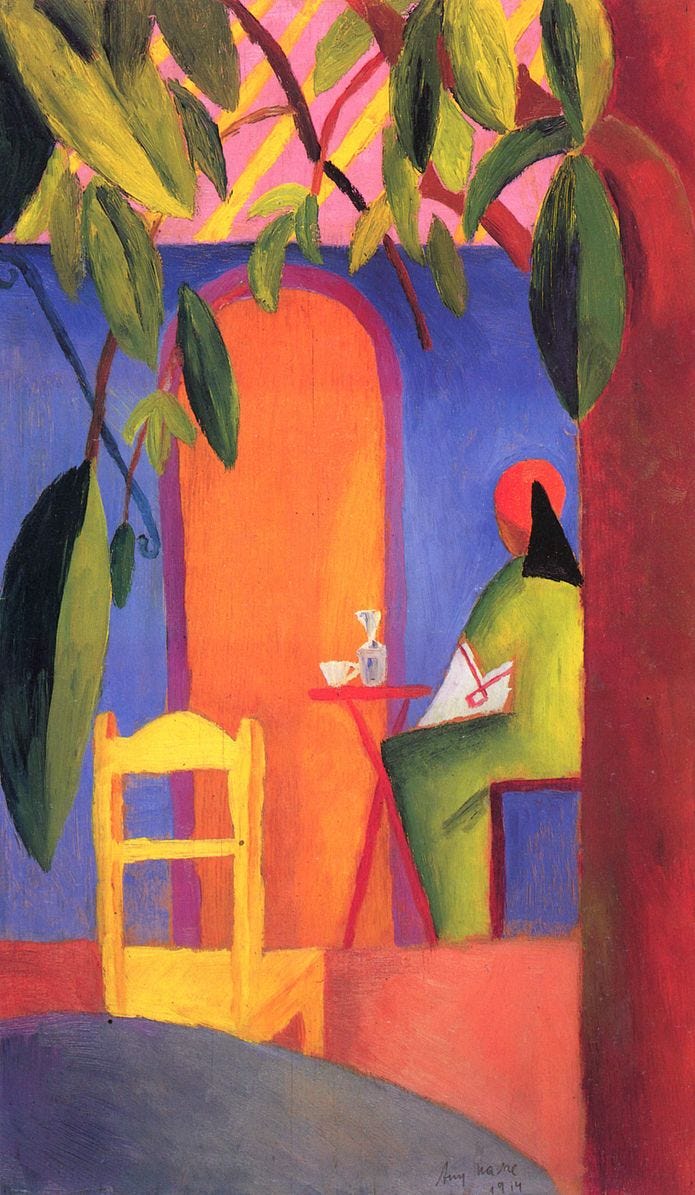
August Macke (1887-1914) Macke was a German painter who was a leader of Der Blaue Reiter (“The Blue Rider”), an influential group of Expressionist artists.
The name Blaue Reiter (“blue rider”) refers to a key motif in Kandinsky's work: the horse and rider, which was for him a symbol for moving beyond realistic representation. The horse was also a prominent subject in Marc's work, which centered on animals as symbols of rebirth.
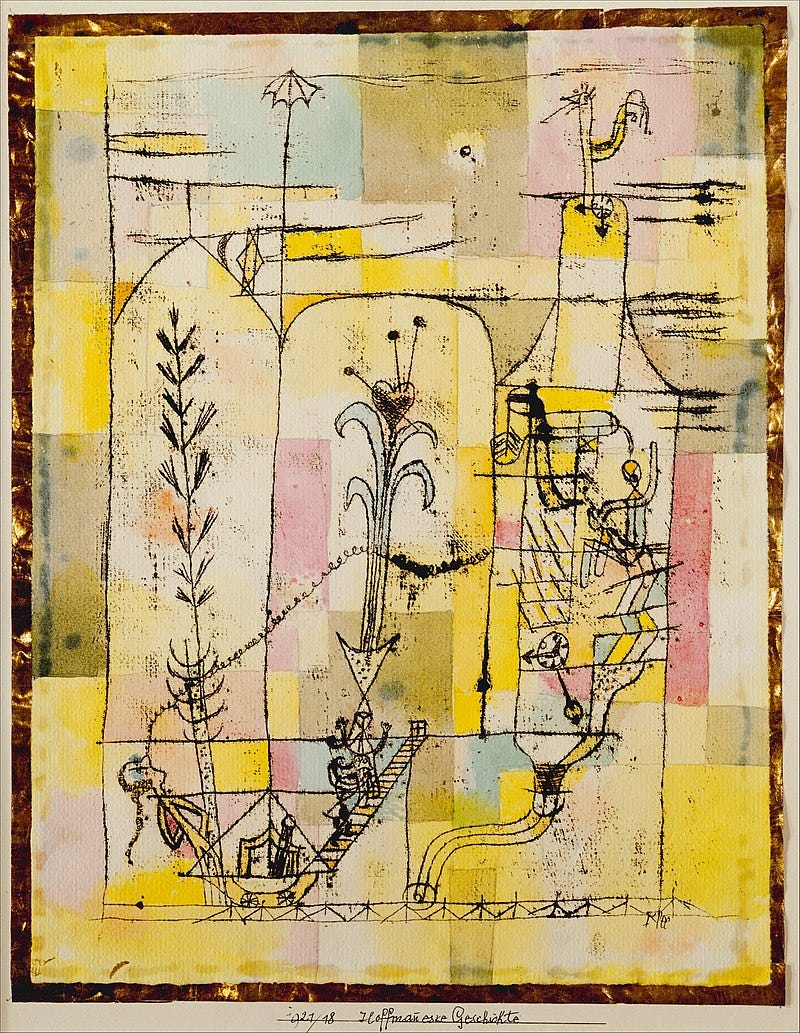
Paul Klee (1879-1940) Klee is known for his simple stick figures, suspended fish, moon faces, eyes, arrows, and quilts of color, which he orchestrated into fantastic and childlike yet deeply meditative works.
A well-known quote by Klee is "Art does not reflect what is seen, rather it makes the hidden visible."
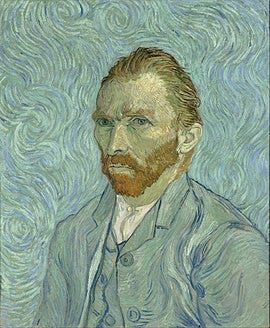
Vincent Van Gogh (1853 - 1890) Though Van Gogh was active in the years slightly before what is regarded as the main period of Expressionism (1905-1920), they can without a doubt be regarded as an Expressionist artist, who painted the world around them not simply as it appeared to them, but from a deeply subjective, human experience.
Mini Exercise for you!
This week, I want you to explore more on your own and see what else you can discover about the world of Expressionism. See if you can learn more and explore some of your new favorite artists from this time and art movement.
Have fun learning and exploring!
What did you discover?
I’m curious to see what you discover about Expressionism is. If you also discovered something new about it, I would love to know! (You can comment and share your thoughts below!)
Thank you for reading my fun little discovery and I hope you also get to learn and share your discoveries too!
Share this with fellow friends, family, and artists who would benefit and love learning more about art! On social media, email, or text. Thanks for reading!
Check out this YouTube video if you love this art article about Art Nouveau. Sharing thoughts and ideas! If you like it, please like and subscribe to my YouTube channel for more videos like these!